California hard water and washer damage: what to know
California hard water leaves mineral scale inside your washer that kills bearings, pumps, and valves. Here's how to spot the damage and stop it.
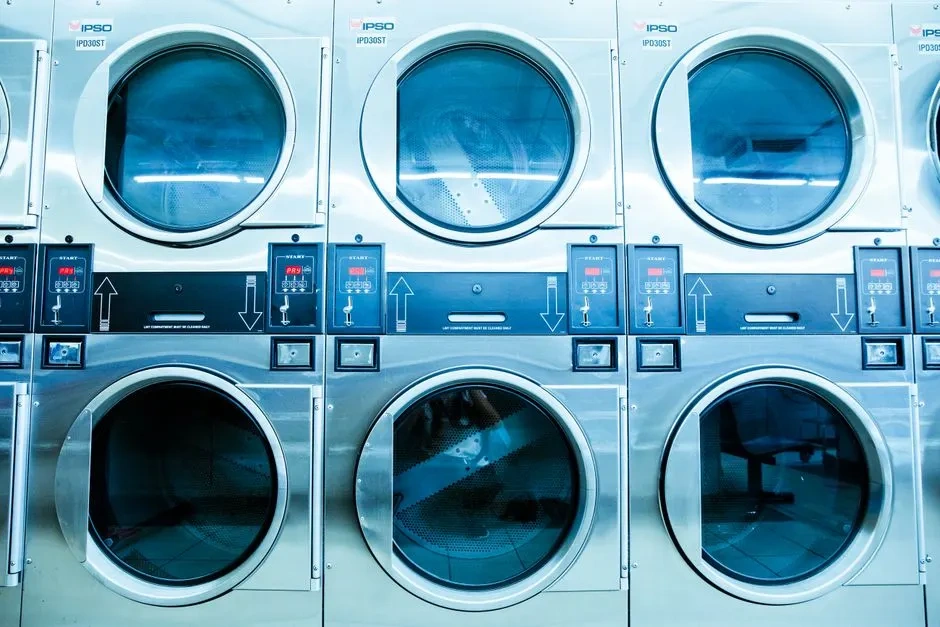
California hard water washer damage is the slow, mineral-driven breakdown of your machine's internal parts, and it happens in almost every home here because most of the state's municipal water runs 8 to 18 grains per gallon of hardness. Those dissolved calcium and magnesium ions don't rinse away - they plate the inside of your drum, hoses, pump, and valves with scale every single load. Below we cover what that scale actually does to a washer, the signs you can catch early, and the steps that add years to the appliance.
Why California water is hard on washing machines
California hard water appliance issues start with the source. Water that falls as snow in the Sierra and flows through the State Water Project picks up calcium and magnesium as it moves through limestone and mineral-heavy soil. By the time it reaches a Los Angeles or San Fernando Valley tap, it typically tests between 8 and 18 grains per gallon - the U.S. Geological Survey classifies anything above 7 gpg as hard, and above 10.5 gpg as very hard.
For comparison, water in Portland, Oregon runs about 2 to 4 gpg. That gap is why a washer that lasts 12 years in the Pacific Northwest often fails at year six or seven in the Valley. The minerals don't care about the brand on the lid. They deposit on every surface the water touches, and a top-load washer pushes 30 to 45 gallons through its system per cycle.
We see the results every week across Washer Repair in Canoga Park, where decades-old homes still run original galvanized supply lines that add their own mineral load on top of the municipal supply. The same pattern shows up in Encino, Reseda, and North Hollywood - older housing stock, hard water, and washers that die young.
How hard water damages washing machines in California
Hard water effects on washer California homeowners feel first are usually mechanical, not cosmetic. Scale builds up in layers, and each layer narrows the space a moving part has to work in. Here's where it hits hardest:
- Drum bearings and the spider arm. Scale and soap scum collect behind the drum, drying out the bearing grease and grinding the shaft. A bearing that should spin freely for a decade starts rumbling in three to four years.
- The drain pump and hoses. Mineral flakes break off the drum and travel downstream. They lodge in the pump impeller and the drain hose, which is one of the most common reasons a washing machine not draining California call comes in.
- Inlet valves and screens. The mesh screens on the hot and cold inlet valves clog with calcium within 18 to 24 months in very hard water areas. Flow drops, fill times stretch, and the valve solenoid eventually burns out.
- The water-level pressure switch. Scale in the pressure tube throws off the sensor, so the machine overfills or underfills. Both stress the suspension and the motor.
- Heating elements on front-loaders. A scaled element has to run longer to reach temperature, which is why hard-water machines pull 15 to 20 percent more electricity per hot wash.
None of this happens overnight. It's a compounding problem, and that's exactly why it's easy to ignore until the repair bill arrives.
Signs of hard water damage in a washer
Signs of hard water damage in a washer show up long before the machine quits. If you know what to look for, you can catch scale buildup at the point where a minor part fixes it instead of a major repair. Market repair in California is $150-$400, quote-based only, with a written quote before work starts.
Watch for these:
- White or gray crust on the drum, door seal, and detergent drawer. If it doesn't wipe off with a damp cloth, it's mineral scale, not soap residue.
- Stiff, scratchy towels and sheets. Hard water leaves minerals in the fabric. If your laundry feels rougher after washing than before, the water is the reason.
- Longer fill times. Time a cold fill. If it takes more than 90 seconds on a standard top-loader, the inlet screens are clogging.
- Rumbling or grinding during the spin cycle. That's usually the drum bearing or a washing machine suspension rods California issue made worse by uneven, mineral-heavy loads.
- Standing water in the drum after the cycle ends. A partially blocked drain pump or hose is the usual culprit.
- Musty smell that returns within a week of cleaning. Scale gives mold a rough surface to cling to, so it comes back fast.
If you're seeing two or more of these at once, the scale has already moved past the drum surface and into the mechanical parts.
Does California hard water ruin washers?
Yes - California hard water ruins washers, but it does it gradually and it does it to specific parts, not the whole machine at once. The drum, cabinet, and control board usually survive. The bearings, pump, valves, and seals are what fail, and they fail two to four years earlier than they would on soft water.
In our experience servicing machines across the San Fernando Valley and Westside, a top-load washer on 15-gpg water averages seven to nine years of service. The same model on 3-gpg water in a softer region routinely runs 12 to 14. That's a five-year gap, and it's almost entirely mineral-related.
The good news: scale damage is predictable. If you know your water is hard, you can service the machine on a schedule instead of waiting for a breakdown. We handle this kind of preventive work alongside standard washer leak repair California calls, because a scaled seal is often the root cause of a leak that looks sudden.
How do I protect my washer from hard water in California?
You protect your washer from hard water in California by reducing what reaches the machine and by flushing out what does. You don't need a whole-house softener to make a difference - though it's the single most effective fix if you're staying in the home long term.
Here's what actually works, ranked by impact:
- Whole-house water softener. Removes most of the calcium and magnesium before it reaches any appliance. Cost varies by home size and installation, so get a written quote from the installer before work starts. It protects the washer, the dishwasher, and the water heater at the same time.
- Washer-specific inline softener or filter. A cartridge that screws onto the inlet hoses. It will not match a whole-house system, but it cuts scale significantly and takes five minutes to install.
- Monthly hot-water cleaning cycle. Run an empty hot cycle with two cups of white vinegar or a commercial washer cleaner. This dissolves fresh scale before it hardens. Do it on the first of the month and you won't forget.
- Use the right detergent dose. Hard water needs slightly more detergent to work, but overshooting leaves residue that traps minerals. Follow the label, not the cap line.
- Add a water softener booster. A half-cup of borax or a packaged hard-water booster per load keeps minerals suspended so they rinse away instead of plating the drum.
- Leave the door or lid open between loads. Free. Cuts the moisture that turns scale into a mold habitat.
If you've already got scale buildup, a professional descaling service can strip it out of the drum and pump before it does more damage. That's cheaper than a bearing replacement, and we do it as part of our standard Washer Repair in Los Angeles diagnostic when we see heavy mineral deposits.
Common mistakes we see homeowners make
The mistakes that shorten a washer's life in hard-water areas are consistent, and most of them come from treating the machine like it's running on soft water.
Using too much detergent to compensate. More detergent means more residue, and residue is what scale sticks to. You end up with a dirtier drum, not a cleaner one.
Skipping the cleaning cycle because the drum looks fine. The drum is the one surface you can see. The pump, valves, and bearings are where the damage actually happens, and they're hidden.
Ignoring a slow drain. A drain that takes longer than it used to is a warning. Waiting until the drum will not empty turns a pump cleaning into a pump replacement. Market repair in California is $150-$400, quote-based only, with a written quote before work starts.
Running cold washes exclusively to save energy. Cold water doesn't dissolve detergent or minerals as well. One hot cleaning cycle a month does more for longevity than a year of cold-only washing.
Blaming the machine instead of the water. When a three-year-old washer fails, the owner often assumes it was defective. Nine times out of ten, we open it up and find scale-packed bearings and a clogged pump screen.
When to call a professional
Call a professional when the symptoms point to internal parts rather than surface scale. If the drum rumbles during spin, if water stands in the tub after the cycle, if the machine won't fill in under two minutes, or if you see rust-colored water in the drum, the scale has moved past the point where vinegar and a cleaning cycle will help.
At California Washer Pros, we diagnose the actual failure before we quote anything. We pull the pump screen, check the inlet valves, spin the drum by hand to feel the bearings, and test the pressure switch. You get a straight answer on whether it's a clean-and-service job or a part replacement, and we carry the common parts on the truck so most repairs finish in one visit.
If your machine is under four years old and already showing hard-water symptoms, it's worth a service call. Catching scale at the pump and valve stage is a fraction of the cost of a bearing or transmission job.
Get help with Washer Repair in California
If hard water has already done damage to your machine, we can fix it. Our technicians service every major brand across the San Fernando Valley, Los Angeles, and the Westside, and we carry the pumps, valves, and suspension parts that hard water kills most often.
Call California Washer Pros at (888) 593-1452 to arrange a diagnostic. Work is quote-based only, with a written quote before work starts. We will tell you exactly what the water did and what it takes to get your washer running right again.