How to protect your washer from California drought restrictions
California drought rules don't ban washing machines, but they do change how you run one. Here's how to cut water use without wrecking your washer.
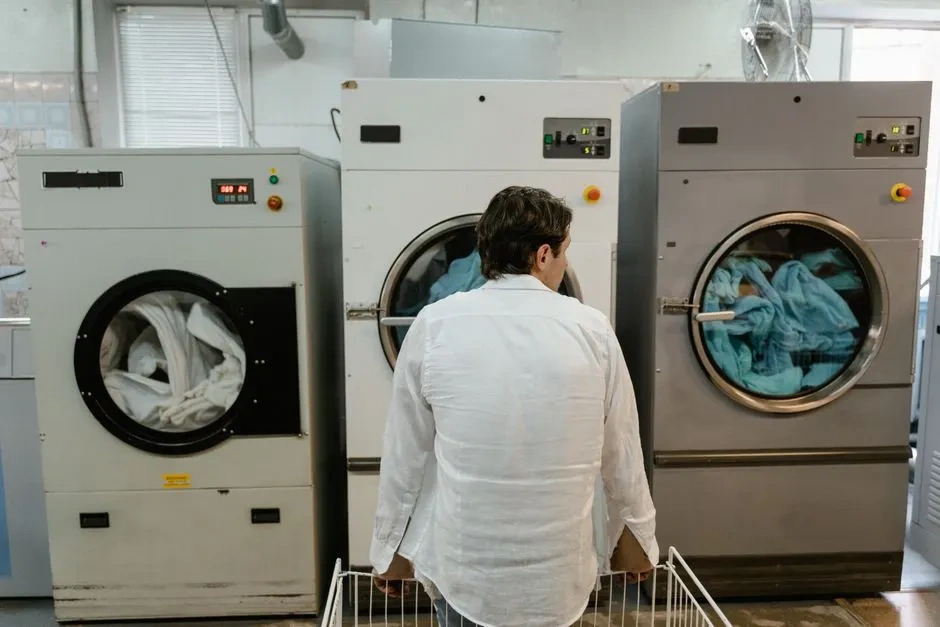
California drought restrictions do not ban you from running your washing machine - they target outdoor irrigation, hose bibs, and commercial car washes first. What they do change is the pressure on every indoor gallon, and that pressure lands squarely on your washer. Protect washer California drought restrictions by switching to high-efficiency cycles, running full loads only, and fixing leaks before they quietly drain hundreds of gallons a month. This post covers what the rules actually say, how much water your machine uses, which settings matter, and when a repair call saves more water than a new machine.
What California drought restrictions actually do to your washer
California drought restrictions affect your washer indirectly through state efficiency standards, local water-agency rules, and tiered pricing - not through a blanket ban on laundry. The state has not outlawed residential washing machines. What it has done is set maximum water-use thresholds for new machines sold in California and let local water agencies impose restrictions on outdoor use, which pushes households to cut indoor consumption voluntarily or through rate structures.
California drought restrictions and washer use intersect in three practical places: the machine you buy, the cycle you choose, and the leaks you ignore. A 2026 state-compliant top-load washer uses roughly 12 to 16 gallons per cycle. An older 2005-era top-loader can use 35 to 45 gallons for the same load. That gap is where drought compliance actually lives.
If you are in an area with mandatory conservation tiers, your water bill is the enforcement mechanism. Going over your baseline bumps you into a higher rate tier, sometimes doubling the per-unit cost. Fixing a dripping inlet valve or a washer that never quite finishes its spin cycle is often the cheapest way to stay under the tier.
How much water does your washer really use?
Washer water usage in California ranges from about 8 gallons per cycle on the most efficient front-loaders to more than 40 gallons on older agitator machines. The number that matters is gallons per pound of laundry, not gallons per cycle.
Here is the rough breakdown by machine type:
- Front-load HE (2018 or newer): 8-14 gallons per full load.
- Top-load HE with impeller: 12-18 gallons per full load.
- Top-load HE with agitator: 16-22 gallons per full load.
- Pre-2010 top-loader: 30-45 gallons per full load.
A family of four running eight loads a week on a 2008 top-loader uses roughly 280 gallons weekly. The same family on a modern HE front-loader uses about 90. Over a 12-month billing cycle, that difference is often the single largest indoor water reduction a household can make without changing behavior.
If your machine is running but not draining fully, it may be re-rinsing to compensate - which adds 10 to 15 gallons per cycle without you noticing. That is one of the most common hidden water wasters we see on service calls, and it usually traces back to a clogged filter or a failing washer drain pump repair California.
Drought-friendly washer settings that actually save water
Drought friendly washer settings California homeowners should use first are the ones already on the dial: Eco, Auto, and High Efficiency. These modes reduce fill volume, extend wash time, and lower rinse water - usually cutting 20 to 40 percent of the water a Normal cycle would use.
Settings that save water
- Eco or EcoBoost: longer agitation, less water, lower heat.
- Auto / Auto Sense: weighs the load and fills only to that weight.
- Quick Wash: for lightly soiled clothes, often 6-10 gallons.
- High-Efficiency detergent: low-suds formula designed for less water.
Settings that waste water
- Deep Fill / Deep Water Wash: adds 10-20 gallons per cycle.
- Extra Rinse: adds a full rinse cycle, roughly 8-15 gallons.
- Sanitize with Steam: uses extra water to generate steam.
- Bulky / Bedding: fills higher by design - use only when needed.
One habit change beats every setting: run full loads. Two half-loads use roughly 1.7 times the water of one full load on the same machine. If you must wash small loads, use the Quick Wash or Small Load setting so the machine does not fill to its default level.
Upgrades and habits that cut washer water usage
Water conservation washing machine California strategies fall into two buckets: what you buy and how you run it. Most households get more savings from the second bucket in the short term and the first bucket over five to ten years.
Short-term habits (no cost)
- Wash full loads only - target 80 percent drum capacity.
- Use the shortest cycle that gets clothes clean.
- Skip the extra rinse unless someone in the house has skin sensitivities.
- Wash in cold water - it saves energy, and on most HE machines it also uses less water.
- Check the drain hose for kinks once a month; a partial kink can force a second drain cycle.
Mid-term upgrades
If your machine is 12 years or older, a high efficiency washer California drought rebate programs sometimes cover part of the cost. Local water agencies in the San Fernando Valley and across Los Angeles County have offered $100 to $250 rebates on qualifying HE machines in past drought cycles, though availability changes year to year. Check your agency's current list before you buy.
An energy efficient washer California households should prioritize is any front-loader with a Modified Energy Factor above 2.0 and a Water Factor below 6.0. Those two numbers are printed on the yellow EnergyGuide label. Water Factor is the one that matters for drought - it is gallons per cubic foot of capacity.
Common mistakes that waste water and damage your washer
California drought appliance tips usually focus on outdoor use, but the indoor mistakes we see on repair calls waste just as much. Here are the ones that come up most often.
- Ignoring a slow drain. A washer that drains slowly often runs a second drain cycle, adding 10-15 gallons per load. Left alone, it burns out the pump.
- Overloading to "save water." Stuffing the drum past 80 percent forces the suspension to work harder and often triggers an unbalanced load that re-runs the spin.
- Using too much detergent. Excess suds trigger extra rinses on HE machines. Use half the recommended dose for HE detergent.
- Leaving a dripping inlet hose. A pinhole leak in a supply line can lose 5 to 20 gallons a day - more than a full wash cycle.
- Running the machine for one or two items. Small loads on a Normal cycle use nearly the same water as a full load.
Two of these - slow drain and overloading - also cause mechanical damage. A slow drain points to a clogged filter or a worn pump, which is what our washing machine not draining California service call is built around. Overloading wears out the suspension rods and eventually produces the violent shaking that leads to washer off balance repair California.
When to call a professional
Call a professional when the washer is using more water than it should and you have already checked the cycle settings. The three signals we look for are a drain cycle that runs long, a machine that fills past the load, and a supply line that drips when the machine is off.
Call us to confirm today's availability across the San Fernando Valley and the westside. A clogged drain pump, a stuck inlet valve, or a pressure switch that has drifted out of calibration all cause over-filling. Visit length depends on the fault and the parts needed, so confirm the visit window by phone. Work is quote-based only, with a written quote before work starts.
If your machine is in an older building - say a 1960s apartment in Sherman Oaks washer repair company territory - the plumbing behind the washer is often as much of a factor as the machine. Galvanized supply lines corrode from the inside and restrict flow, which makes the washer run longer to fill. We check the hookup, not just the appliance.
For households across the city, we offer Washer Repair in California with a written quote before work starts. You will know the cost before we start the repair.
Get help with Washer Repair in California
If your washer is filling past the load, draining slowly, or shaking hard enough to walk across the floor, we can fix it before it costs you another hundred gallons. California Washer Pros repairs all major brands across Los Angeles County. Call us to confirm today's availability.
Call (888) 593-1452 to arrange a visit. Work is quote-based only, with a written quote before work starts.