How to Replace a Washer Drain Pump: A Safe DIY Guide
Learn how to replace a washer drain pump yourself with our step-by-step guide. We cover tools, costs, and when to call a pro.
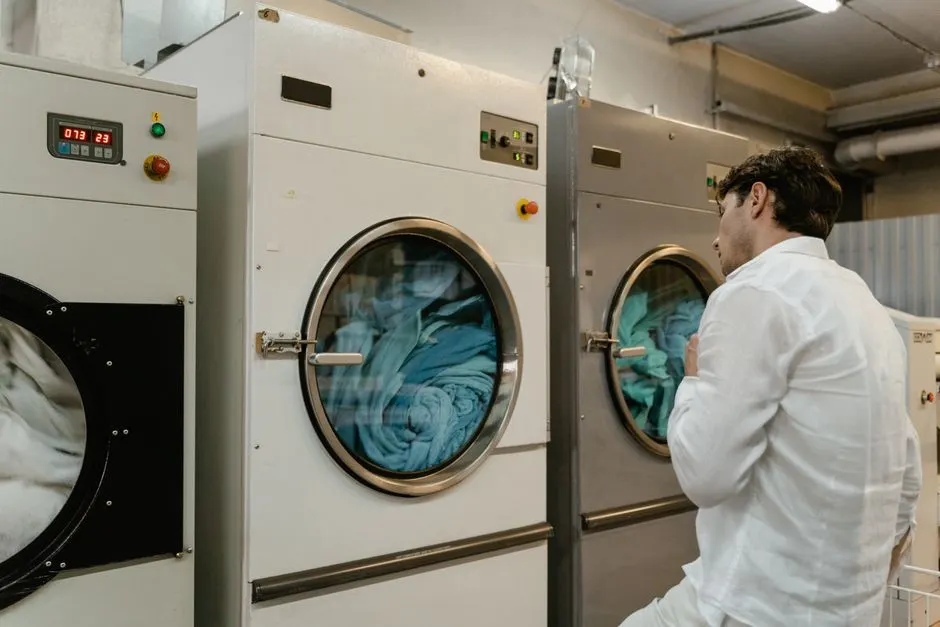
You can replace a washer drain pump yourself in about 60 to 90 minutes using basic hand tools and a replacement pump that costs $30 to $80. The job involves unplugging the machine, draining the remaining water, removing the old pump, and connecting the new one to the existing hoses and wiring. This guide walks you through each step so you can decide whether to tackle it yourself or bring in a pro.
We're California Washer Pros, and we've replaced drain pumps across Los Angeles County. Below we cover why pumps fail, the exact tools you need, a detailed step-by-step process, and what a professional Washer Drain Pump repair in California costs if you'd rather hand it off.
Why a washer drain pump fails
A washer drain pump fails because debris, small garments, or hard water scale jam the impeller or burn out the motor. In California, where water hardness is high, mineral buildup is a common culprit. The pump is a small electric motor attached to a plastic housing with an impeller that pushes water out of the drum during the drain cycle. When it can't spin freely, water stays in the tub and your clothes come out soaking wet.
Common signs your pump is on the way out:
- Standing water in the drum after a cycle finishes
- Loud grinding or humming during the drain cycle
- Error codes like F21 on LG or E20 on Electrolux
- Water leaking from under the machine
If you notice these symptoms, a Washer Not Draining repair in California is usually the fix. Sometimes the problem is a clogged filter or kinked hose, so check those first before ordering a new pump.
Tools and parts you'll need
Gather these before you start so you're not stuck mid-repair:
- Replacement drain pump (match your washer's model number - $30-$80 online or at a local appliance parts store)
- Phillips-head screwdriver
- Flathead screwdriver
- Pliers or nut driver set
- Shallow pan or towels for residual water
- Bucket
- Flashlight or headlamp
- Phone to take photos of wiring before disconnecting
If you have a front-load washer, you'll also need a putty knife to pry the front panel clips. Top-loaders usually require removing the back panel or tipping the machine forward.
Step-by-step washer drain pump replacement
This drain pump replacement steps guide works for most top-load and front-load models. The exact panel removal varies, but the core process is the same. Work slowly and take photos as you go.
1. Disconnect power and water
Unplug the washer from the wall outlet. Turn off the hot and cold water supply valves behind the machine. If you can't reach the valves, shut off the main water supply to the house. Never work on a washer that's still plugged in - the pump runs on 120 volts and can shock you.
2. Drain remaining water
Place towels and a shallow pan under the drain hose at the back of the washer. Lower the hose into a bucket and let the water drain out. If the pump is completely dead, you may need to manually bail water from the drum with a cup. Expect 1-2 gallons of standing water.
3. Access the pump
On most front-loaders, remove the bottom front access panel by prying the clips with a putty knife. On top-loaders, you'll typically remove the back panel (6-8 screws) or tip the machine forward to reach the pump from underneath. The pump is a small plastic unit with two hoses and a wire harness attached.
4. Remove the old pump
Take a photo of the wiring. Disconnect the wire harness - it usually has a plastic clip you squeeze and pull. Use pliers to loosen the hose clamps on the inlet and outlet hoses. Pull the hoses off and immediately point them upward to prevent residual water from spilling. Remove the mounting screws (usually 2-4) and pull the pump out.
5. Install the new pump
Position the new pump in the same orientation as the old one. Reattach the mounting screws, then push the hoses back on and tighten the clamps. Reconnect the wire harness until it clicks. Double-check that no hoses are kinked and that the impeller spins freely by hand.
6. Test the repair
Plug the washer back in and turn on the water valves. Run a short rinse-and-drain cycle. Watch for leaks around the hose connections and listen for unusual noises. If water drains freely and no leaks appear, you're done. If the pump hums but doesn't drain, check for a clog in the drain hose or standpipe.
For a more detailed walkthrough specific to your model, our washing machine drain pump replacement California page covers brand-specific tips.
How much does a washer drain pump replacement cost?
A DIY washer drain pump replacement costs $30-$80 for the part plus about an hour of your time. If you hire a professional, market repair is $150-$400, quote-based only, with a written quote before work starts. These are market prices, not our own fixed prices. Prices vary by brand - LG and Samsung pumps tend to be on the higher end, while Whirlpool and Maytag are often cheaper.
You will know the price before we start: we give a written quote before work starts. For homeowners in areas like Washer Repair in Sherman Oaks, we can often source the pump same-day from a local supplier.
Common mistakes to avoid
These are the mistakes we see most often when homeowners attempt a washer pump replacement DIY:
- Forgetting to unplug the washer. 120 volts can knock you across the room. Always disconnect power first.
- Not draining the drum. You'll flood your floor with 1-2 gallons of water. Use a bucket and towels.
- Mixing up the hoses. The inlet and outlet hoses are different diameters on some models. Label them before removal.
- Over-tightening hose clamps. This can crack the plastic pump housing. Tighten until snug, then a quarter-turn more.
- Reusing a worn hose. If the hoses are brittle or cracked, replace them while you're in there. A $10 hose now saves a flood later.
- Forcing the wire harness. It only fits one way. If it doesn't click, flip it over.
If you run into a stripped screw or a corroded clamp, stop before you make it worse. We've seen simple jobs turn into much costlier repairs because someone forced a part.
When to call a professional
Call a professional if you can't access the pump without disassembling major components, if the new pump doesn't fix the problem, or if you see water damage around the machine. We handle Washer Leaking repair in California and drain pump replacements daily, and we carry common pumps on our trucks.
If your washer is more than 10 years old and the pump failed, it's worth weighing the repair against a new machine. We'll give you an honest recommendation - we'd rather fix what's fixable than sell you something you don't need.
Unplug the washer, drain standing water, access the pump (front or back panel), disconnect the hoses and wiring, remove the old pump, install the new one, and run a test cycle. The job takes 60-90 minutes with basic tools.
It's a moderate DIY job - about a 4 out of 10 on difficulty. The hardest part is accessing the pump on some front-loaders. If you're comfortable with a screwdriver and pliers, you can do it.
The part costs $30-$80 online or at a local parts store. Professional replacement is market repair of $150-$400, quote-based only, with a written quote before work starts. Prices vary by brand and model.
Yes, if you can safely disconnect power and water, and you're comfortable removing a few panels. If you're unsure or the machine is under the maker's cover, call a pro to avoid affecting that cover.
Recurring failures usually mean debris is getting past the filter, the drain hose is kinked, or hard water scale is building up. In California, a water softener can extend pump life significantly.