Washer Leaking From the Bottom? Check These First
A washer leaking from the bottom is usually a hose, drain pump, or tub seal. Here is the exact order to check things before you call a pro.
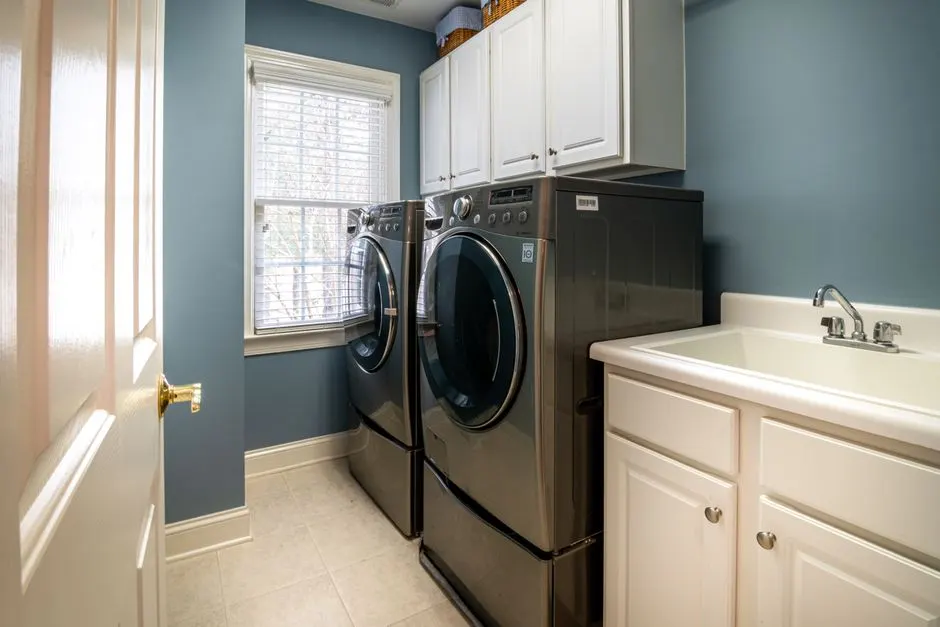
A washer leaking from the bottom is almost always caused by a loose or cracked inlet hose, a failing drain pump, or a worn tub seal - and you can identify which one in about 15 minutes with a flashlight and a dry paper towel. Start by pulling the machine out, drying the floor completely, and running a short cycle while you watch underneath. That single step tells you whether the leak happens during fill, wash, or drain, which narrows the cause immediately. Below we walk through the exact order our technicians use to diagnose a washing machine water leak, the differences between front load and top load models, and when a repair call makes more sense than a DIY fix.
Why is my washer leaking from the bottom?
Washer leaking from bottom what to check is really a question about timing: the moment the water appears tells you which component failed. A leak that starts the second the fill valves open points to the supply side. Water that shows up mid-wash points to the tub, seal, or a cracked outer drum. Water that only appears during drain and spin points to the pump, drain hose, or a clogged standpipe.
In our experience across Los Angeles and the San Fernando Valley, many bottom leaks we get called for are one of four things: a degraded inlet hose, a drain pump with a cracked housing, a torn door boot on a front loader, or a tub seal that has finally given out after 8-12 years of service. The remaining 30% are split between loose hose clamps, a cracked outer tub, and over-sudsing from too much detergent.
If you want a broader overview of the symptoms we handle, our washing machine leak repair California page covers the full range of leak types we see, from slow drips to full-on floods.
What should I check first if my washer is leaking?
Check the inlet hoses first - they are the most common failure point and the easiest to inspect. Pull the washer 2-3 feet from the wall, lay a dry towel under the back, and look at both hoses where they connect to the wall valves and to the machine. Look for bulges, cracks, or green/white mineral crust at the fittings.
Here is the order we recommend, from fastest check to slowest:
- Inlet hoses and connections. Hand-tighten both ends a quarter turn. If the rubber feels stiff or shows cracks, replace both hoses - they cost about $15-$25 each and take 10 minutes.
- Drain hose and standpipe. Make sure the drain hose is inserted 6-8 inches into the standpipe and is not taped or sealed airtight. A sealed standpipe causes siphoning and water on the floor.
- Drain pump and filter. On front loaders, open the small access door at the bottom front and check the filter housing for drips. A quarter-turn of the filter cap usually stops a slow seep.
- Door boot (front load only). Run your hand around the rubber gasket inside the door opening. Tears, pinholes, or a buildup of hair and lint behind the lip are common culprits.
- Tub seal and outer tub. This is the one that usually requires pulling the machine apart. If you see water running down the outside of the outer tub during the wash cycle, the seal is done.
If you get through that list and still cannot find the source, the next step is a proper washer drain pump repair California inspection, because a pump housing can crack on the underside where you cannot see it from the front.
Front load washer leaking from bottom: causes
Front load washer leaking from bottom causes are different from top loaders because of the horizontal drum and the door boot. The most frequent issues we see on front loaders in California homes are:
- Door boot tear or pinhole. The rubber gasket around the door opening flexes every cycle. After 5-8 years it develops small tears that spray water downward during the spin cycle.
- Detergent drawer overflow. Using too much HE detergent creates excess suds that push water out through the drawer and down the front of the machine.
- Drain pump filter cap. If the cap is not fully tightened after a cleaning, water seeps out during drain. This is the single easiest fix on the list.
- Door lock and seal assembly. A worn door lock can let water past the inner seal during high-speed spin. If your door lock is acting up, our washing machine door lock California service handles that repair.
- Outer tub seam. On some models the two halves of the outer tub are joined with a gasket that fails after 10+ years. This is a full tear-down repair.
If your front loader is also shaking violently during spin, the leak and the vibration may share a cause - a broken suspension rod or a worn shock absorber. We cover that separately on our washer off balance repair California page.
Top load washer leaking from bottom: causes
Top load washer leaking from bottom is usually a supply-side or drain-side problem, because the tub sits vertically and gravity sends water straight down. The common causes we diagnose in the field are:
- Inlet hose failure. Same as front load - cracked rubber or a loose connection at the valve.
- Water inlet valve. The solenoid valve that opens to fill the tub can develop a hairline crack in its plastic body. You will see water dripping down the back of the machine during fill.
- Tub seal and center post. On older top loaders, the seal between the inner and outer tub wears out. Water drips down the center post and pools underneath.
- Drain pump or drain hose. A clogged pump or a hose that has slipped off the pump outlet will dump water on the floor during drain.
- Overflow from a stuck pressure switch. If the machine keeps filling past the correct level, water overflows the tub and runs down the sides.
If the leak is accompanied by a burning smell or the machine stops mid-cycle, shut it off at the breaker and call us. That combination often means the drain pump has seized, and continuing to run it can damage the control board.
Washer leak diagnosis: how we trace the source
Washer leak diagnosis is a process of elimination, and we do it the same way on every call. First we dry the floor and the underside of the machine completely. Then we run a fill-only cycle and watch the supply hoses and inlet valve. Next we run a wash cycle and watch the tub and door boot. Finally we run a drain and spin cycle and watch the pump, drain hose, and standpipe.
That three-stage test tells us the exact moment the water appears, which narrows the cause to one or two components. On a typical service call in the Los Angeles area, most leak repairs we perform - hose replacement, pump replacement, door boot replacement - are market repair of $150-$400, quote-based only, with a written quote before work starts. Tub seal and outer tub repairs are larger jobs, quoted individually before work starts, because the machine has to come apart.
We carry the most common inlet hoses, drain pumps, and door boots on the truck, so many leak repairs are finished in a single visit. If you are in an older building with original plumbing, we may also check the standpipe and wall valve for corrosion - we see that a lot in pre-1970 homes across washer repair in Sherman Oaks, where cast iron drains and original shutoff valves are still common. For a full list of what we handle, our washer repair in California overview covers every service we offer.
Common mistakes to avoid
The biggest mistake is running the machine again after you see water, hoping it was a one-time thing. It almost never is. A small leak becomes a flooded floor and a damaged subfloor fast, especially in second-floor laundry rooms.
Other mistakes we see regularly:
- Over-tightening hose connections. Hand-tight plus a quarter turn is enough. Wrenching them down cracks the plastic valve body.
- Using too much detergent. More than the recommended amount creates excess suds that push water out through the door and drawer.
- Ignoring the drain hose height. If the hose is not looped or secured at the correct height, water siphons out during the cycle.
- Replacing the pump without checking the filter. A clogged filter burns out a new pump in a few months.
- Using a generic door boot. Aftermarket boots often do not seal correctly on the first try. OEM parts are worth the extra $20-$40.
If you are not comfortable pulling the machine apart, stop before you break a plastic clip or strip a screw. Those small mistakes turn a small repair into a much costlier one.
When to call a professional
Call a professional when the leak is not from a hose or filter, when you see water coming from inside the cabinet during the wash cycle, or when the machine is more than 8 years old and you are not sure the repair is worth it. We can tell you on the phone whether it sounds like a simple fix or a full tear-down.
California Washer Pros handles washer leak repair across Los Angeles and the San Fernando Valley. We diagnose the leak, quote the repair upfront, and carry the parts to finish most jobs the same day. If the machine is not worth fixing, we will tell you that too - no pressure, no upsell.
The most common causes are a cracked or loose inlet hose, a failing drain pump, a torn door boot on front loaders, or a worn tub seal. The timing of the leak - during fill, wash, or drain - tells you which one. These four cover many of the bottom leaks we see.
Check the inlet hoses first. Pull the machine out, dry the floor, and look for cracks, bulges, or mineral crust at the connections. Hand-tighten both ends and run a short fill cycle. If the leak stops, you found it. If not, move to the drain hose and pump.
Stop using it until you find the source. Tighten or replace the inlet hoses, make sure the drain hose is inserted 6-8 inches into the standpipe, clean the drain pump filter, and check the door boot for tears. If the leak continues, the tub seal or outer tub is likely the problem.
Yes, almost always. Hose and pump repairs are straightforward and are market repair of $150-$400, quote-based only, with a written quote before work starts. Tub seal and outer tub repairs are larger jobs, quoted individually before work starts. The only time we recommend replacing the machine is when the repair cost exceeds half the price of a new washer.
It is urgent, not an emergency, unless water is near electrical outlets or the leak is heavy. Shut off the water valves, unplug the machine, and dry the floor. Then call for service. A slow leak left running can damage subfloors and drywall within a few cycles.